
The browser as a games platform: its runtimes, and what happened when they were switched off.

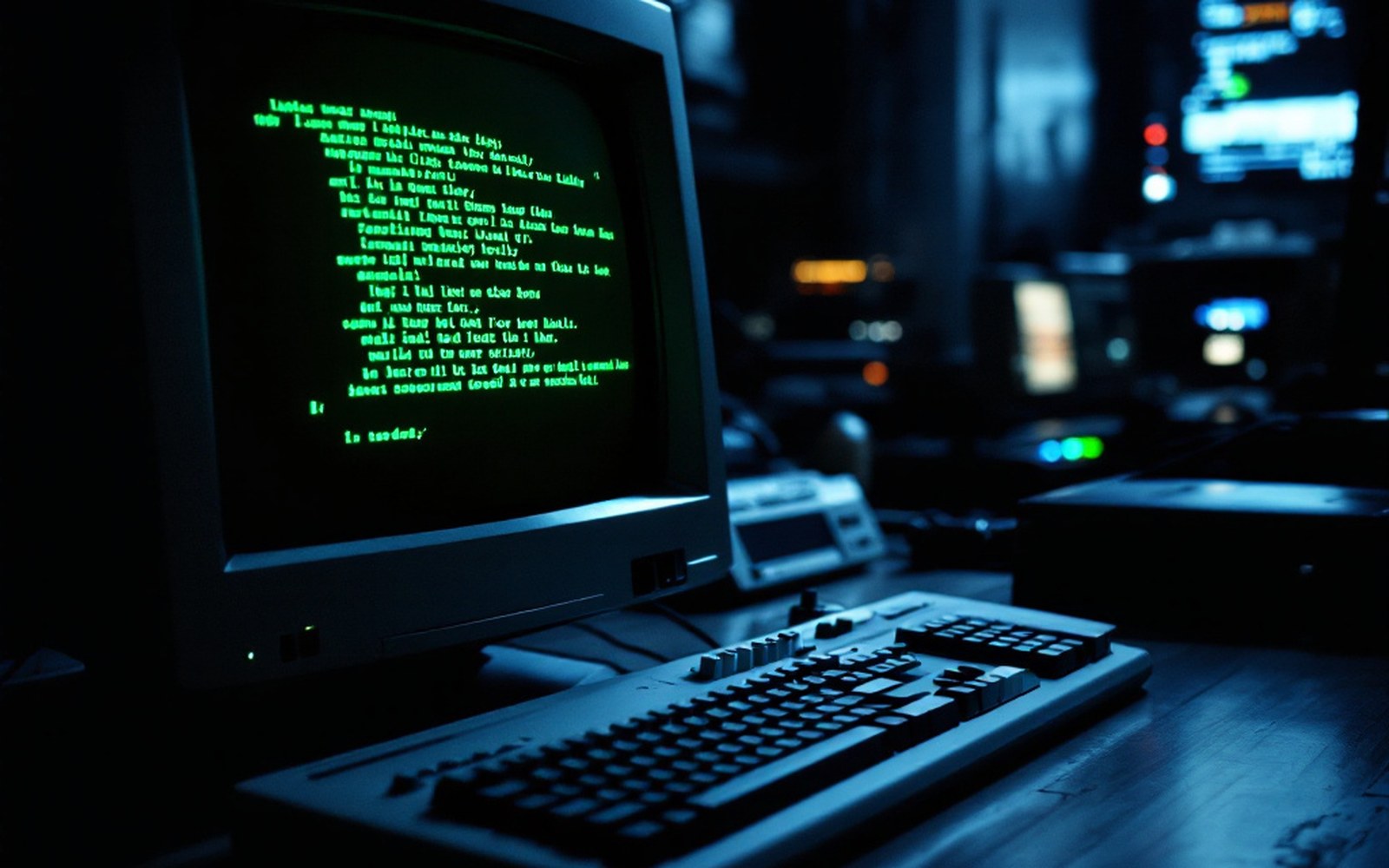
A CRT monitor in a dark room showing a green-on-black text interface, the screen the only light source, keyboard just visible

01 The Text Era

MUD1 at Essex

In 1978 Roy Trubshaw and Richard Bartle wrote a persistent shared world made entirely of text at the University of Essex, and everything multiplayer descends from it.

Read the entry →

Green on black and nothing else: the runtime, the game and the interface were all the same twenty-four lines.

oujouer.com collection

Adobe switched off Flash Player on 31 December 2020, and the games did not survive the plugin.

Source — Adobe, Flash Player end-of-life notice, 2017

What happened next

The shutdown, and the answer to it

A dark office with a single monitor showing an empty browser window with a blank content area, chair pushed back

The failure mode was never an error message about Flash. It was an empty rectangle.

oujouer.com collection

04 The End of Flash

The last day

Adobe ended support on the last day of 2020, and tens of thousands of games became unplayable at once.

Read the entry →


A code repository open on a monitor showing a file tree and source, dim room, adult hands on the keyboard

Rebuilding a player from its file format, one instruction at a time, in public.

oujouer.com collection

05 Emulation

Ruffle

An open-source reimplementation of the runtime, written to run inside the browser that removed the original.

Read the entry →

02 Runtimes

Every entry is one runtime, and what it took with it.

  1. 02.01

    Java applets

    Removed from Java 11

    Sun’s answer to running real code in a page. Jagex built RuneScape on it in Cambridge. Oracle deprecated the plugin in Java 9 and removed it in Java 11.

  2. 02.02

    Shockwave

    Discontinued 2019

    Macromedia Director’s output, put on the web. Heavier than Flash, better at 3D, and never as widely installed.

  3. 02.03

    Flash

    Ended 31 December 2020

    Began as FutureSplash Animator; Macromedia bought the company in 1996 and renamed it. Adobe acquired Macromedia in 2005 and ended the player fifteen years later.

  4. 02.04

    Silverlight

    Support ended October 2021

    Microsoft’s plugin, aimed at video and rich applications. Chrome’s removal of NPAPI in 2015 took most of its reach.

  5. 02.05

    Unity Web Player

    Withdrawn with NPAPI

    A plugin that put a full 3D engine in a page. Unity’s browser target moved to WebGL, which needs no plugin at all.

  6. 02.06

    WebAssembly

    Running

    Canvas, audio and a compile target in the browser itself. WebAssembly became a W3C recommendation in December 2019 — and it is what Ruffle is built out of.

All six runtimes →

01 The Text Era

A machine you shared with strangers

In 1978, at the University of Essex, Roy Trubshaw wrote a program that let more than one person stand in the same imaginary room at the same time. Richard Bartle took over its development and ran the world for years. Everything since — the portals, the plugins, the persistent worlds — descends from a text file on a DEC PDP-10 in Colchester.

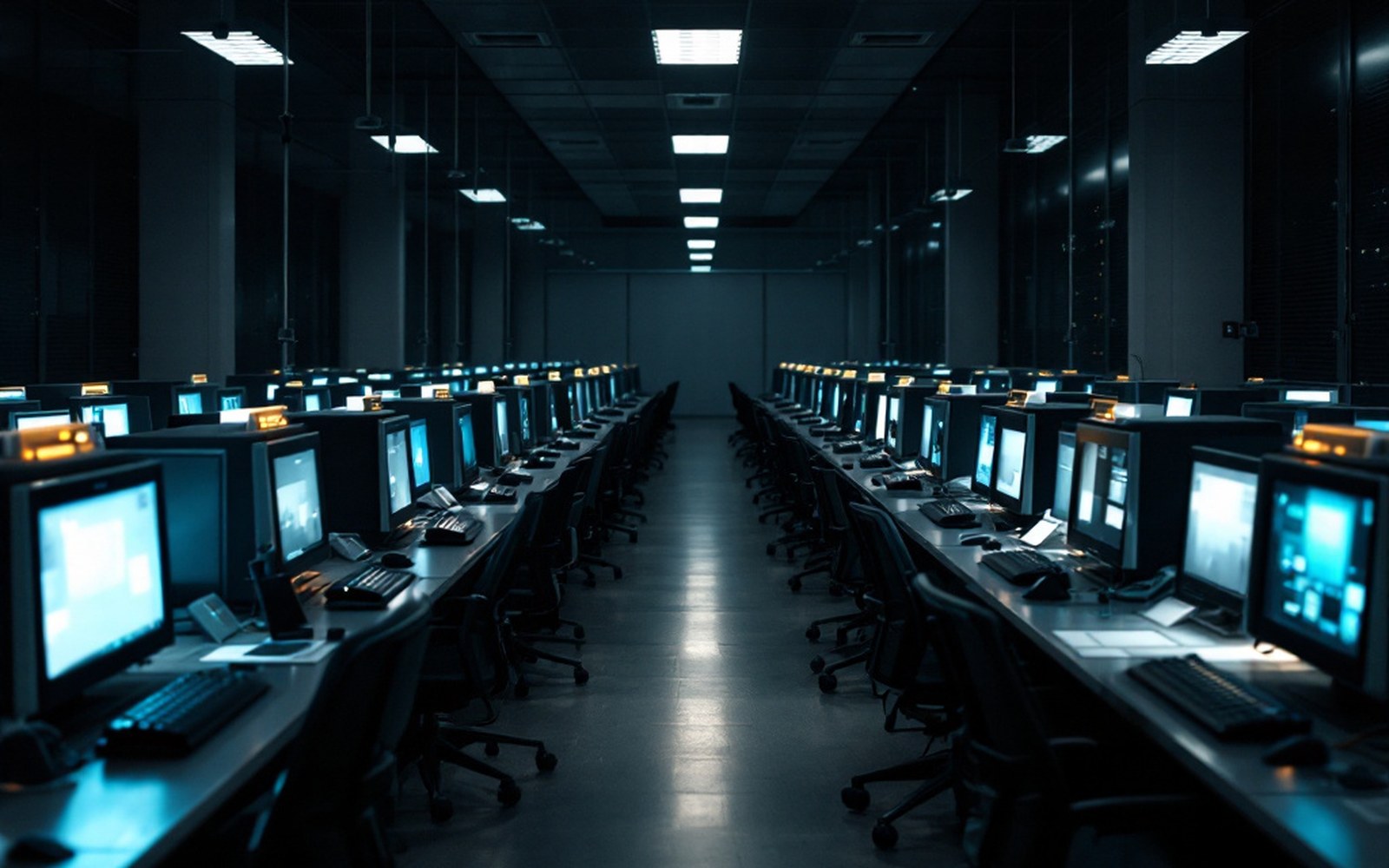
A row of identical computer terminals down a long university room seen from one end, empty chairs

One machine, many doors. Every terminal in the row was logged into the same world.

oujouer.com collection

A rack of old hard drives and tape cartridges on shelving in an archive room, labelled, fluorescent light

05 Emulation  /  06 Archives

You cannot save a game without saving the machine that reads it

Ruffle re-implements the Flash Player itself in Rust, compiled to WebAssembly. The Internet Archive runs it in the browser so that files it already held could be opened again. Neither project preserves games. They preserve the runtime, and the games follow.

Emulation →Archives →

Labelled, powered and indexed — and still unreadable without a program that understands the format.

oujouer.com collection

Bartle’s four players

Bartle, “Hearts, Clubs, Diamonds, Spades: Players Who Suit MUDs”, 1996

Achievers

Act on the world. Points and levels are the object.

Explorers

Interact with the world. The map is the object.

Socialisers

Interact with other players. The people are the object.

Killers

Act on other players. The reaction is the object.

Read the entry →